
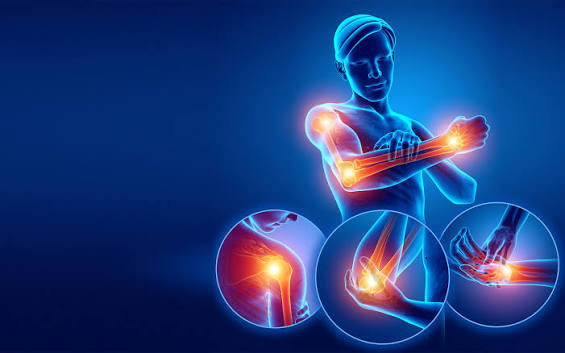
Living with chronic pain can affect nearly every part of daily life, from work and exercise to sleep and personal activities. A Pain Management Doctor in Evanston can help patients understand the possible causes of ongoing pain and develop a personalized approach to improve comfort, mobility, and function. At Revitalize Medical Center, pain care focuses on evaluating each patient’s needs and creating an individualized treatment plan.
What Is Chronic Pain?
Chronic pain is pain that persists or recurs over an extended period. It may develop after an injury, surgery, medical condition, or gradually because of changes affecting the muscles, joints, nerves, or spine.
Common examples include:
- Back and neck pain
- Joint pain
- Muscle pain
- Sciatica
- Arthritis-related discomfort
- Pain following an injury.
- Nerve-related pain
- Persistent headaches
Because chronic pain can have different causes, identifying the factors contributing to discomfort is an important part of effective pain management.
How a Pain Management Doctor Can Help
A pain management physician takes a comprehensive approach rather than focusing only on temporary symptom relief. The first step generally involves discussing symptoms, medical history, lifestyle factors, previous treatments, and how pain affects everyday activities.
Depending on the individual situation, the doctor may evaluate:
- Where the pain occurs
- How long the pain has been present
- What activities make symptoms better or worse
- Whether pain affects sleep or mobility
- Previous injuries or treatments
- Possible musculoskeletal or nerve-related causes
This information can help guide an appropriate, personalized care strategy.
Personalized Treatment for Chronic Pain
There is no single treatment that works for every person with chronic pain. A personalized plan may include different approaches depending on the underlying cause and the patient’s goals.
Pain management may involve:
Physical and Rehabilitation-Based Care
Movement and rehabilitation strategies can help support flexibility, strength, and function. A healthcare professional may recommend appropriate exercises or other supportive approaches based on the patient’s condition.
Medication Management
In appropriate situations, medications may be considered as part of a broader treatment plan. A physician can review current medications, potential benefits, risks, and alternatives to help determine whether medication has a role in care.
Interventional Pain Procedures
For certain conditions, minimally invasive procedures may be considered. These treatments are generally selected based on the source and characteristics of the patient’s pain.
Lifestyle and Wellness Support
Sleep, physical activity, stress management, posture, and other lifestyle factors can influence how a person experiences chronic pain. Addressing these areas may complement medical treatment and support overall well-being.
Why Finding the Cause Matters
Treating chronic pain effectively often starts with understanding why it is happening. For example, back pain may be related to muscle strain, spinal conditions, nerve irritation, or other factors. Similarly, joint pain may have several possible causes.
A thorough evaluation can help distinguish between different sources of pain and determine which treatment options may be appropriate. This can reduce the need for a one-size-fits-all approach.
Benefits of Professional Pain Management
Working with a qualified pain management physician can provide several potential benefits, including:
- A clearer understanding of persistent pain
- Individualized treatment planning
- Better coordination of pain care
- Support for improving mobility and daily function
- Monitoring of treatment progress
- Guidance when previous approaches have not provided adequate relief
The goal is not simply to address pain as a symptom but to develop a thoughtful strategy that considers the patient’s overall needs and quality of life.
When Should You See a Pain Management Doctor?
Consider discussing persistent or recurring pain with a healthcare professional when it begins interfering with normal activities, work, exercise, sleep, or overall quality of life.
You may also benefit from professional evaluation if:
- Pain continues despite home care.
- Symptoms repeatedly return
- Pain limits movement or physical activity
- You have persistent back, neck, or joint discomfort.
- Previous treatments have not provided sufficient improvement.
- You are unsure what is causing your symptoms.
Seek urgent medical attention for severe or sudden pain accompanied by symptoms such as significant weakness, loss of bladder or bowel control, difficulty breathing, chest pain, or other potentially serious symptoms.
Why Choose Revitalize Medical Center?
Revitalize Medical Center focuses on personalized pain management and patient-centered care. Instead of assuming that every patient requires the same treatment, the approach emphasizes understanding individual symptoms, identifying contributing factors, and developing a care plan suited to the patient’s needs.
For people looking for a Pain Management Doctor in Evanston, professional evaluation can be an important step toward better understanding chronic pain and exploring appropriate treatment options.
Frequently Asked Questions
What does a pain management doctor treat?
Pain management doctors may evaluate and treat various types of acute and chronic pain, including back, neck, and joint pain; nerve-related pain; and pain associated with injuries or other conditions.
Can chronic pain be completely cured?
The outcome depends on the underlying cause, duration, and individual circumstances. While some conditions can be effectively treated, chronic pain management often focuses on reducing symptoms, improving function, and supporting quality of life.
What should I bring to a pain management appointment?
Bring information about your symptoms, previous diagnoses, medications, imaging or medical records when available, and details about previous treatments. A list of questions can also help you make the most of your appointment.
How is a personalized pain treatment plan developed?
A physician typically considers your symptoms, medical history, physical findings, previous treatments, lifestyle, and personal goals before recommending appropriate treatment options.
Conclusion
Chronic pain can be challenging, but you do not have to navigate it without professional guidance. A Pain Management Doctor in Evanston can evaluate persistent symptoms, help identify potential causes, and develop an individualized approach to pain care. Revitalize Medical Center provides personalized pain management focused on supporting comfort, mobility, function, and overall quality of life.